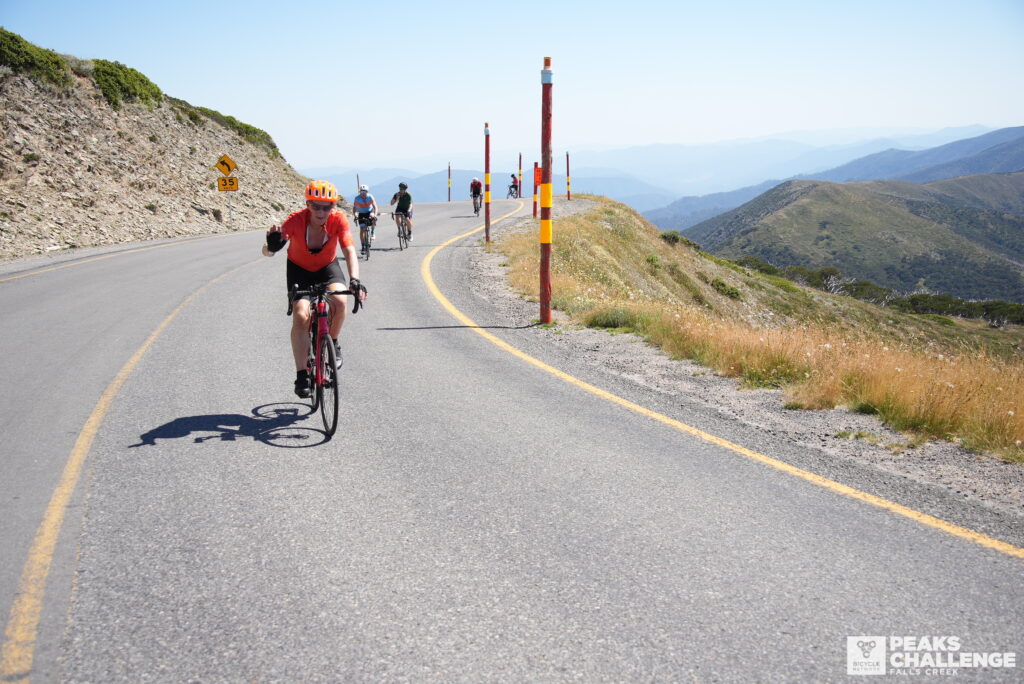
Semi-retired but still looking to challenge myself and the Peaks Challenge was definitly the hardest day of cycling in my life. After 4+ months of hard training in The Dandenongs I was ready to take it on.
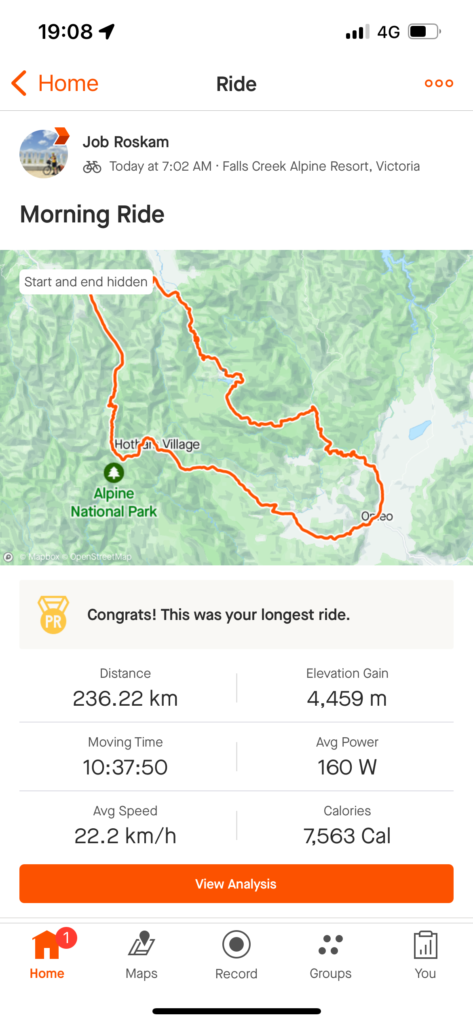
Equivalent to a mountain stage of the Tour de France, Peaks Challenge is a 235kmride with 4000+ metres of climbing and a 13-hour deadline.
Set across three of the Victorian high country’s most famous climbs, you’ll tackle the ascents of Tawonga Gap, Mount Hotham and finally, ‘The Beast’ that is the back of Falls Creek.
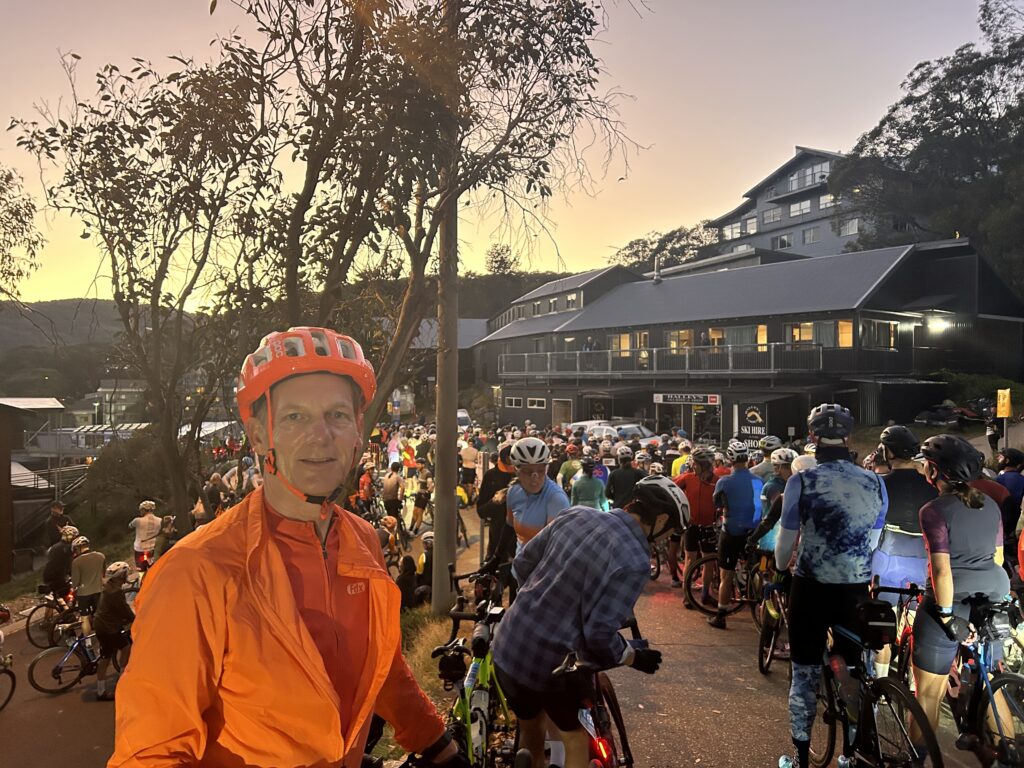
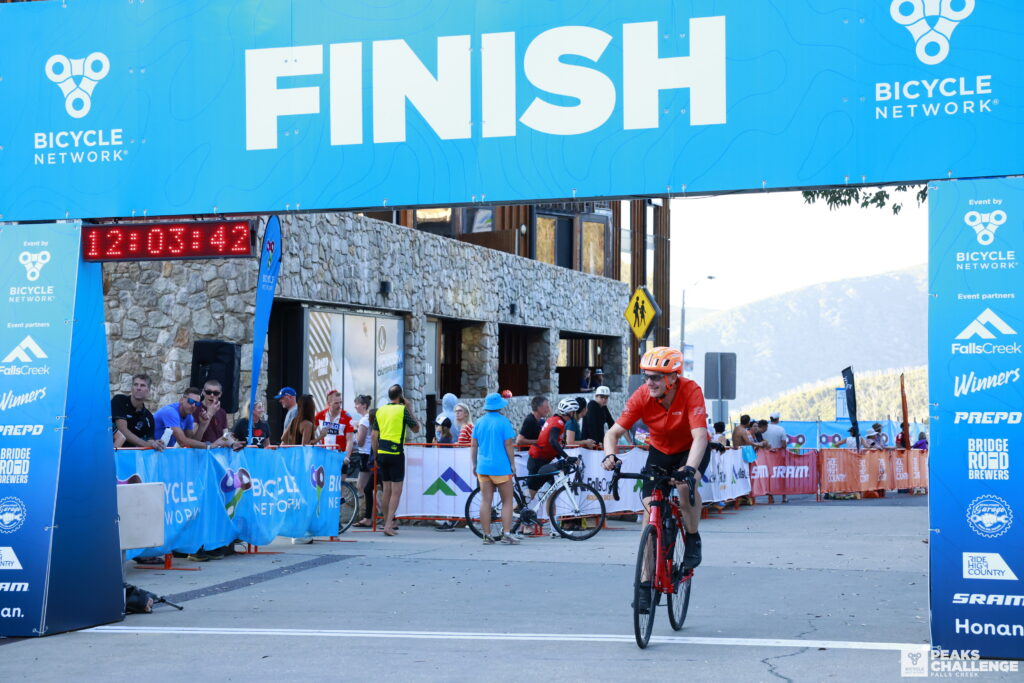
7am start with 2000 other cyclists.Mount Hotham Mount Hotham top
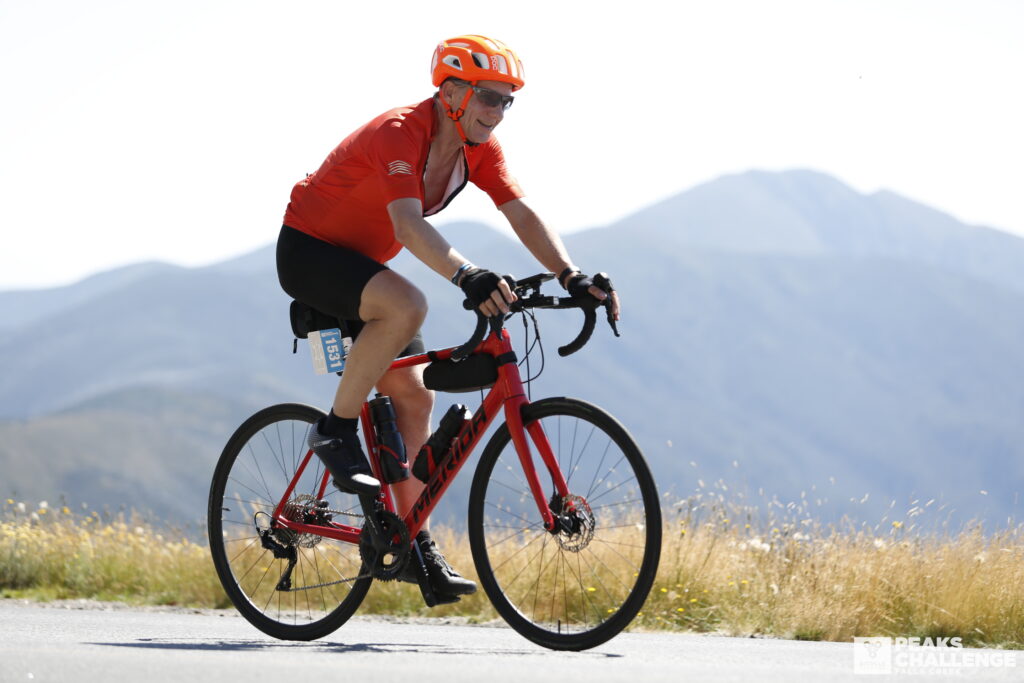
Aim was to complete the Peaks Challenge within 13 hours, but did it in 11:48 which was really good as it was a very hot day and many struggled with the heat. Already registred for next year and more training ahead as I want to ride it in less than 11 hours.
Bicycle Network represents the rights of people who ride bikes, encourages more people to live active, healthy lives and is supported by almost 50,000 members and a national team of volunteers.
I have been fortunate enough to travel frequently both within Australia and overseas and see new trends and growing methods. I would like to briefly share with you some of the things I have seen during my trips, with the hope that they provide you with some ideas.
Energy cost
The Dutch greenhouse industry has been working on the Het Nieuwe Telen (HNT) project for several years. ‘Het Nieuwe Telen’ translates roughly to New Way of Growing or Next Generation Growing, and it focuses on environmental conditions such as temperature and humidity which can make a significant contribution to a balanced greenhouse climate with less energy.
• Double screens, one for energy savings and one for climate control
• Active Ventilation Systems for ventilation and de-humidification with minimum energy use
• Energy efficient electrical equipment, fans, pump, etc. The initial investment may be higher but the operational costs over the lifetime of the more efficient equipment will pay back big time.
Labour cost
In Australia, labour costs continue to rise and good people are harder to find, so growers are investing in labour saving equipment like packing lines, crop removing machines and labour registration software- changes like these will be the key to keep labour costs under control.
Hygiene
In the Netherlands a key priority is to avoid bringing in pest and diseases and to avoid spreading them during crop work and harvesting. Royal Brinkman is very successful with implementing hygiene concepts to eliminate any chance of spreading diseases as good hygiene is not just one thing but a combination of measures.
During my last visit to a large gerbera grower in Holland I saw equipment that cleaned and sterilized picking trolleys before they go back in the greenhouse after dropping of flowers in the packing shed.
Reliable quality product (available all the time)
In The Netherlands companies are getting bigger and they all have a common goal- to provide their customers with a year round quality product with a fresh, healthy and sustainable image.
In the last 10 years Spanish growers, with support of their government, have moved away from using a lot of pesticides and they now supply a large part of Europe’s organic produce.
World Horti Center
If you travel to Holland you can visit the World Horti Center. It is the leading innovation centre of the international greenhouse horticulture sector. A platform where business, education and government jointly innovate, connect, create and inspire.
World Horti Center is the knowledge and innovation center for international greenhouse horticulture. A leading platform where business, education, research and government jointly innovate, connect, inspire and share knowledge.
Every year, World Horti Center is visited by 25,000 international professionals, who are looking for connection, knowledge and innovations in horticulture. We connect parties who want to contribute in sustainable food supply and greening the world. Leading horticultural companies and innovations are represented at our year-round trade fair. Here is a complete reflection of technology, supply, floriculture and food horticulture.
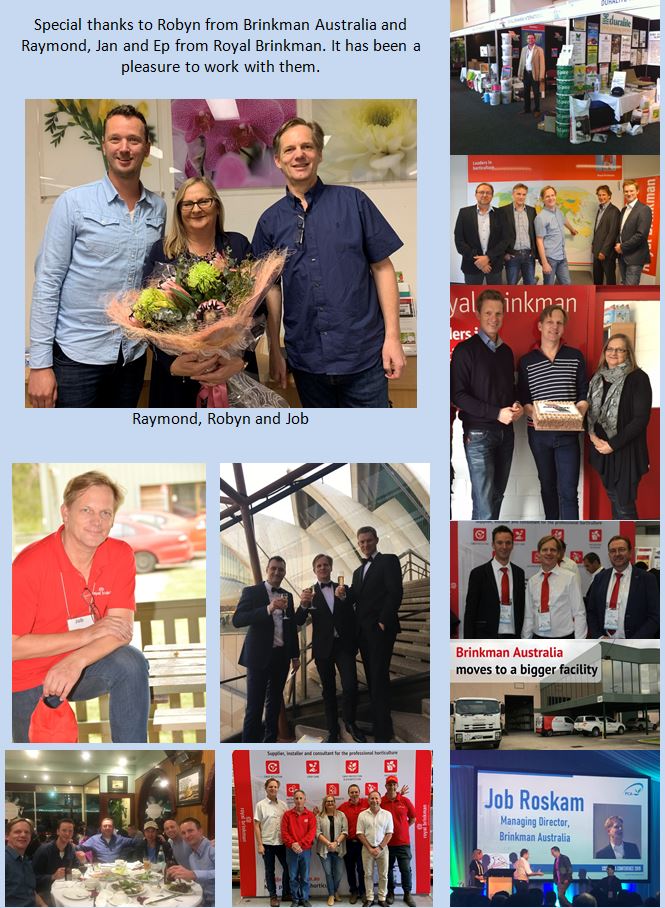
“In Australia, they are cultivating more the Dutch way” Although he is saying goodbye to Royal Brinkman Australia, his heart remains in this country filled with horticultural possibilities. Back in 2000, Job Roskam moved to the Land Down Under and since then has seen the greenhouse horticultural industry develop at a rapid pace. “Especially the vegetable cultivation has developed strongly in the last ten years,” he says. “The fact that supermarkets now need a qualitatively better and steadier supply of produce is an import reason for that. When I first got here back in 2000, the ornamental industry was ahead of the vegetable cultivation, mainly because many flower growers had a Dutch background. Nowadays, flower growers are struggling because there is a lot more import, and then there was ten years ago. Although this might be changing now that the Australian government is implementing stricter import requirements.”
Job Roskam – Royal Brinkman Australia
Australia and New Zealand In his role as managing director of Royal Brinkman Australia, Job was not only active on the Australian market but also in New Zealand. “Due to the location of both countries on the southern hemisphere, they can cultivate good products when it is winter for the northern hemisphere. New Zealand has a smaller national market, with a population of about 5 million. Because of that, it exports a part of the production to Australia and Asia. Australia, on the other hand, with a population of over 25 million, has a much larger national market and a lot less is exported. The downside, however, is that production is expensive in Australia while it can be produced a lot cheaper in other places in Asia.” Despite that, the different climate zones in the country make it possible to cultivate a great variety of products. “In some cultivation areas, they grow in the open air or under a simple plastic greenhouse. “In the greenhouses made from glass you mainly find tomatoes, bell peppers, and cucumbers,” Job says. “Besides that, medicinal marijuana is very hot at the moment, and many investments are made in it. There are plenty of opportunities for suppliers to be found, and because they are now cultivating more in the ‘Dutch’ way, the demand for technology is also increasing. This is something the Dutch are still very good at.”
Challenges: labour, energy, and water There are also challenges, and for the growers, these challenges mainly have to do with labour, energy, and the availability of water. “The energy efficiency in Australia still has plenty of room for improvement, even if people started using energy-efficient equipment. They also don’t work with ‘Next Generation Growing’ all that much yet. The lack of water is due to the fact that a large part of Australia is currently having a drought, and things don’t seem to be getting better anytime soon.”
There is also a lack of farm workers, especially in the areas outside of big cities where labour-intensive horticulture mainly takes place. Due to the fact that immigration has become more complicated, it is also harder to bring in people with specific knowledge. A lot of work is also being done by seasonal workers and backpackers, which is now being supported by the government. Regulations have recently changed, allowing backpackers to work for a longer period of time. Besides that, the government has been using the ‘Pacific Labour Scheme’ since last year, allowing more employees form countries in the Asian Pacific region, like Fiji, Kiribati and Papua New Guinea to start working in Australia and New Zealand. This in order to help with the current lack of farm workers.”
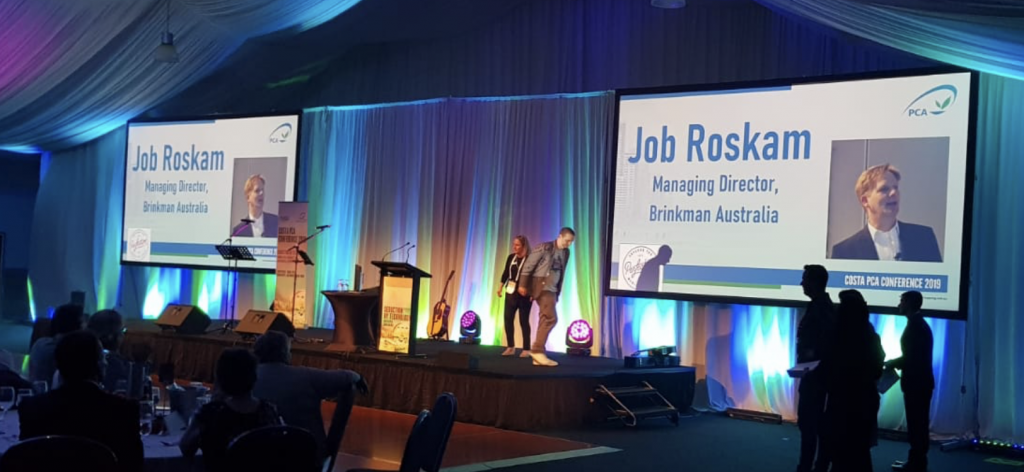
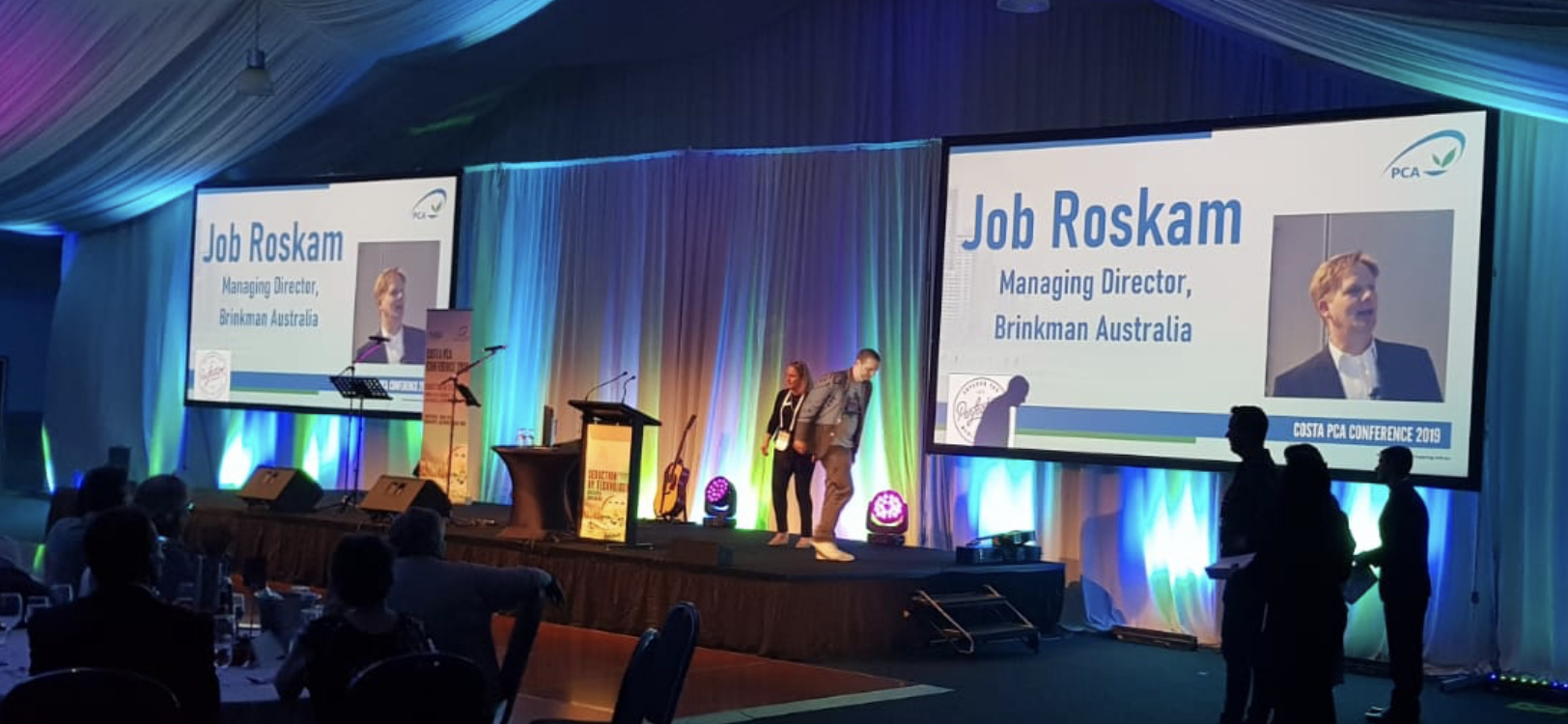
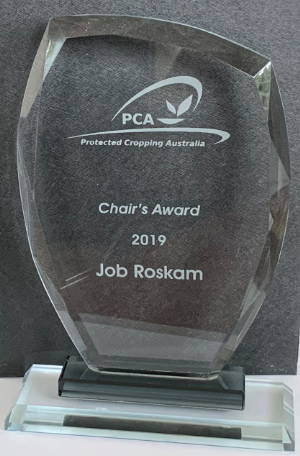
Award “I always gave my honest opinion when I was in Australia. I’d rather not sell a certain product if I don’t think it is right for the customer. After all, a long-lasting relationship with a client is much more important than a quick sale”, says Job, who recently was handed an award by the PCA for his ‘contribution to the Australian Protected Cropping industry’.
“As a former gerbera grower from the Dutch town of Vierpolders, I was raised with group excursions and sharing information. In Australia, I have continued this. The big companies get their information easily because seed companies and suppliers always approach them. It is, however, the group below them that is in need of information. That is why I think the work done by the PCA and the HFF is vital to the development of horticulture.”
Rest With the award on the mantel; it is now time to relax. “I intended only to leave Royal Brinkman Australia when a good replacement for me was found. Now that they have, I know that what we have built over the past years will continue running smoothly.” Job doesn’t yet know what he will be doing next. “I will first take some time to relax, and then I will see what comes my way. But I won’t be going back to the Netherlands. Not only don’t my wife and children want to move back, but Australia is a land with many opportunities for people with specific horticultural knowledge.”
Job Roskam is the winner of the 2019 PCA Chairperson’s Award (Nicky Mann) for contribution to the Australian Protected Cropping industry.
Protected Cropping Australia (PCA) is the peak industry body representing commercial hydroponic and greenhouse growers Australia wide. PCA members also include equipment and installation suppliers, specialist consultants and advisors, researchers and educators.
Job Roskam grew up on a family farm in Holland. In his youth he looked on as his father switched in 1975 from tomatoes and cucumbers over to gerberas. As he joined the business they upgraded from growing in the ground to rockwool. Growing in rockwool means that the small tissue culture plants must start in rockwool plugs, then into rockwool blocks followed by rockwool slabs. Production increased and success was achieved including breeding their own gerbera varieties. Their exclusive varieties meant higher prices at the Dutch flower auction. It took less than 2 years to recoup an $80,000 investment in 1994, when they were one of the first gerbera farms to mechanise certain aspects of the flower processing. The heater purchased to sterilize drain water quickly paid for itself too. Recycling their nutrient meant less fertilizers purchased, and less water required.
Click here to read the rest of the article of Job Roskam in the PCA Soilless Magazine.
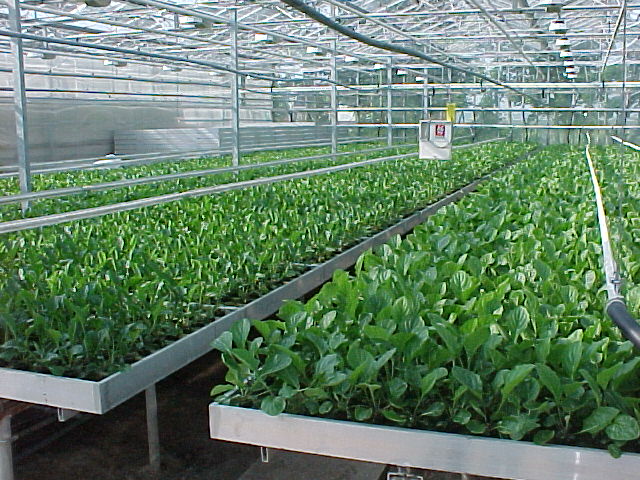
Roskam Gerberas propagation greenhouse
Roskam Gerberas propagation greenhouse (photo taken in 1994)
Dedicating an area to propagate their plants for longer than normal period; brought on a faster flower onset once the plants were moved to the main greenhouse. Indeed their flowers appeared in a few weeks instead of the normal period of 8-10 weeks. 80% of their gerberas went to the Aalsmeer Flower Auction and 20% went to the Westland Auction. As a young grower in the Netherlands, Job’s dedication to industry was evident serving as a board member of the L.T.O. Gerberas, a horticulture organisation involved with growing technique research. He was also a member of the Aalsmeer Flower Auction Gerbera Product Commission.
Roskam Gerberas flower production greenhouse
Above photo was taken at Roskam Gerberas greenhouse in Holland (1994) with their own variety Nicoletta. Bred by Job Roskam the Nicoletta was at one stage grown on 30% of the greenhouse area (total greenhouse area 22.000 M2).
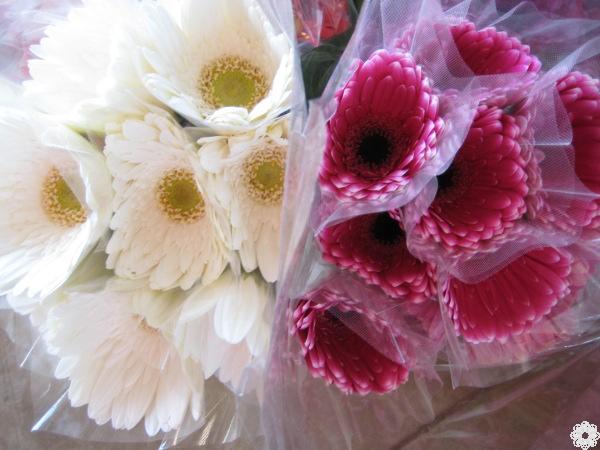
Roskam Pty Ltd. is the worldwide agent of the Japanese company Nakayama Ltd which is specialized in the manufacturing of high quality gerbera cups (small plastic sleeves) and gerbera cup machines. The gerbera cup protect the gerbera flower from damage and give the florist and consumer a better quality gerbera.
Each gerbera flower is individually protected with a cup (small plastic sleeve) the gerbera flower will handle the transport period much better without damaging the flower. By using the gerbera cups the gerbera flower will arrive at the florist or wholesaler in top quality, which reduce the chance of claims.
Click hereto view our gerbera cups and gerbera cup machine brochure.
The advantages of using Japanese cups compare to boxes or Flower rackets are.
The gerberas are individually protected which decrease the chance of damaging the gerbera flower.
The cost of the packaging and transport per gerbera flower are lower.
Reducing transport cost by up to 50%.
No more bent gerbera stems.
Stem length of all the gerberas could be the same.
Easy to transport the gerberas in water.
The advantages of using Japanese cups compared to netting are.
Reduce botrytis or mould which could build up in the transport period because the flower stays open.
You could use the gerbera cup-machine to put the cups on, which saves labour.
Less chance of botrytis or mould during transport because the cups are perforated.
Easy to remove from the gerberas.
Visually more attractive.
The gerbera cups are available for mini, standard, and giant gerberas.

 The Dutch greenhouse industry has been working on the Het Nieuwe Telen (HNT) project for several years. ‘Het Nieuwe Telen’ translates roughly to New Way of Growing or Next Generation Growing, and it focuses on environmental conditions such as temperature and humidity which can make a significant contribution to a balanced greenhouse climate with less energy.
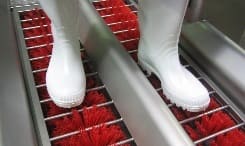 In the Netherlands a key priority is to avoid bringing in pest and diseases and to avoid spreading them during crop work and harvesting. Royal Brinkman is very successful with implementing hygiene concepts to eliminate any chance of spreading diseases as good hygiene is not just one thing but a combination of measures.
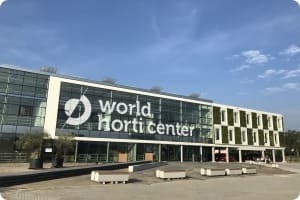 If you travel to Holland you can visit the World Horti Center. It is the leading innovation centre of the international greenhouse horticulture sector. A platform where business, education and government jointly innovate, connect, create and inspire.